Neck Brace for Cats & Dogs

Neck Brace for Cats & Dogs

Beden
S
M
L
WhatsApp
ADD TO BASKET

Find the right size

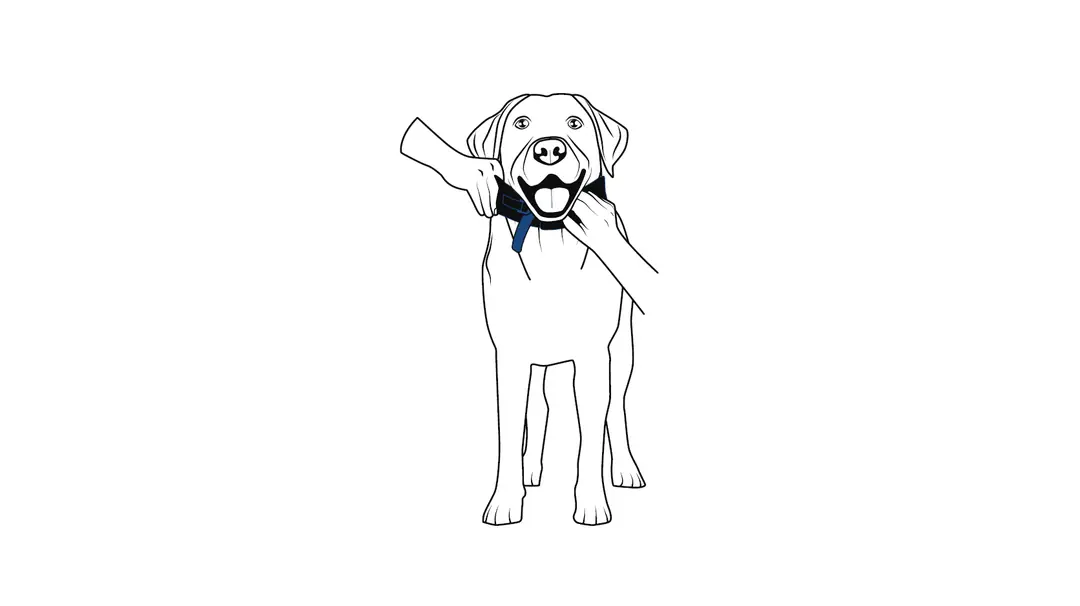
Measuring a dog's neck circumference

Neck circumference

Measure around the neck where the support will sit, as shown in the image.

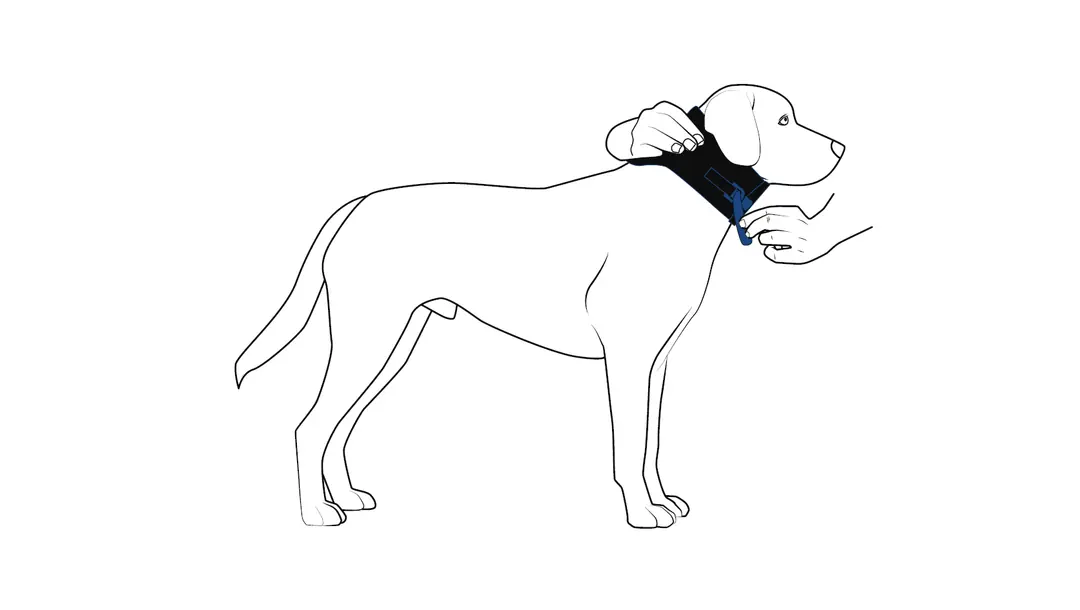
Measuring a dog's neck height

Neck height

Measure from the base of the neck to beneath the jaw, as shown in the image.

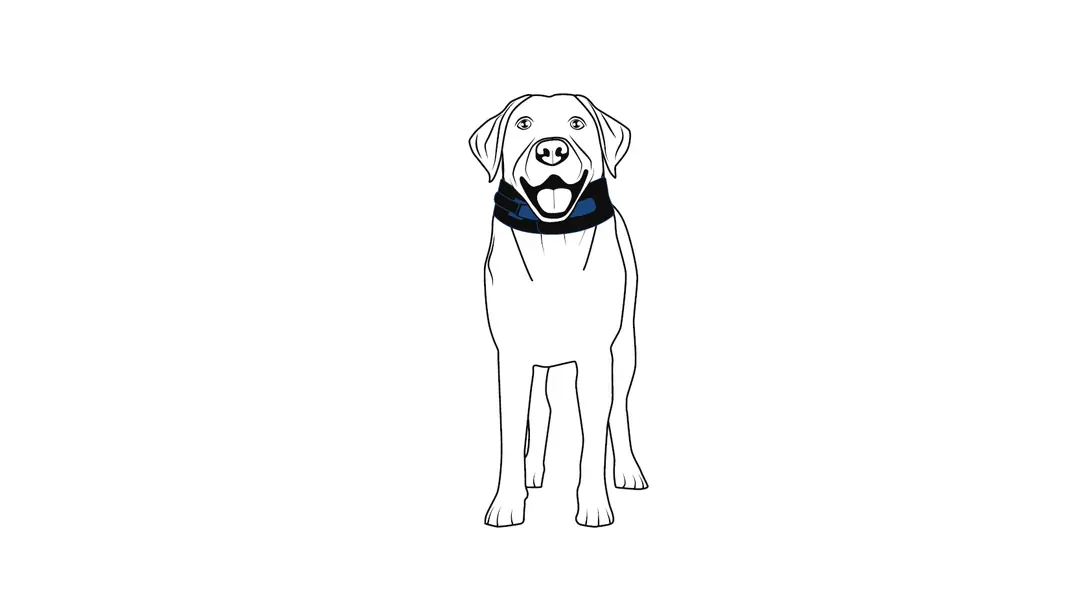
Neck circumference and neck height measurement points
Size Neck
circumference
Neck
height
S 10.6–11.8 in
27–30 cm
1.6–2.4 in
4–6 cm
M 13.4–16.5 in
34–42 cm
2.4–3.1 in
6–8 cm
L 15.4–19.3 in
39–49 cm
2.8–3.9 in
7–10 cm

Neck circumference and height should match the same size. If the circumference is between 30 and 34 cm, or you are unsure about the size, contact us.
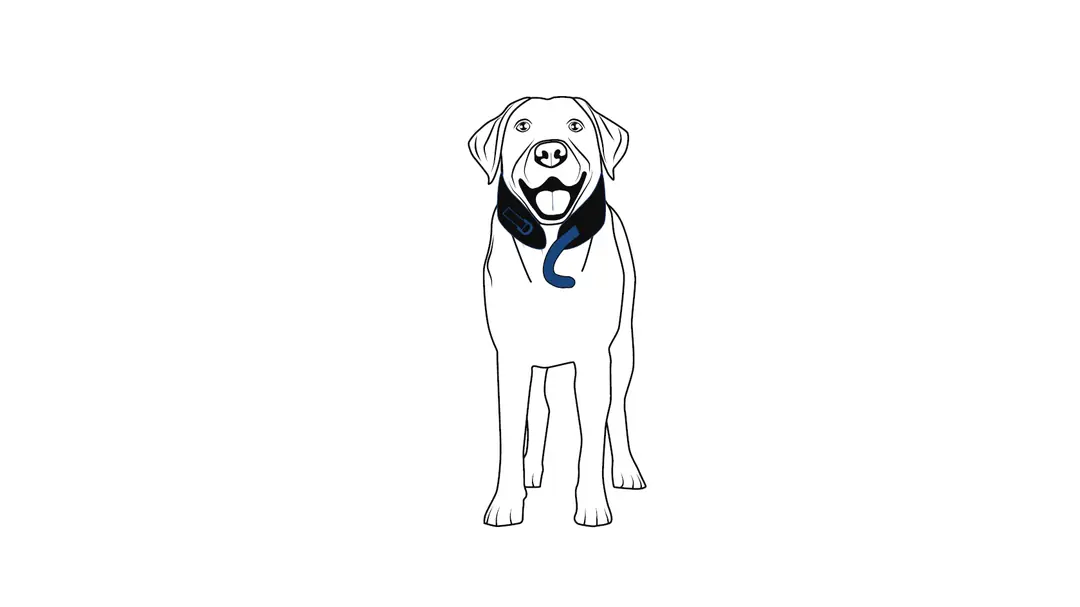
When to use the neck support

A veterinarian may recommend the neck support for cervical IVDD, Wobbler syndrome, neck muscle strains, cervical injuries, or recovery after surgery.

Cervical spine support

Supports the neck and helps limit excessive or uncontrolled cervical movement.

Adjustable level of support

Depending on the need, the support can be worn without a splint, with the flexible splint, or with the rigid splint.

Built-in splint pockets

The flexible or rigid splint can be placed in the built-in pockets to increase support.

Designed for cats and dogs

With the correct fit, the support can be used for both cats and dogs.

Comfortable wraparound design

Soft neoprene and an adjustable wraparound design are intended to fit comfortably around the neck.

Secure, adjustable fastening

Hook-and-loop fasteners, durable stitching, and a buckle strap let you adjust the support around the neck.

The neck support does not replace veterinary examination or treatment. A veterinarian should diagnose cervical conditions and determine the splint option and duration of use.

Getting used to the support: video

How to fit the support

Before fitting, make sure you have the correct size and splint option. The support should hold the neck without being so tight that it restricts breathing, swallowing, or natural movement.

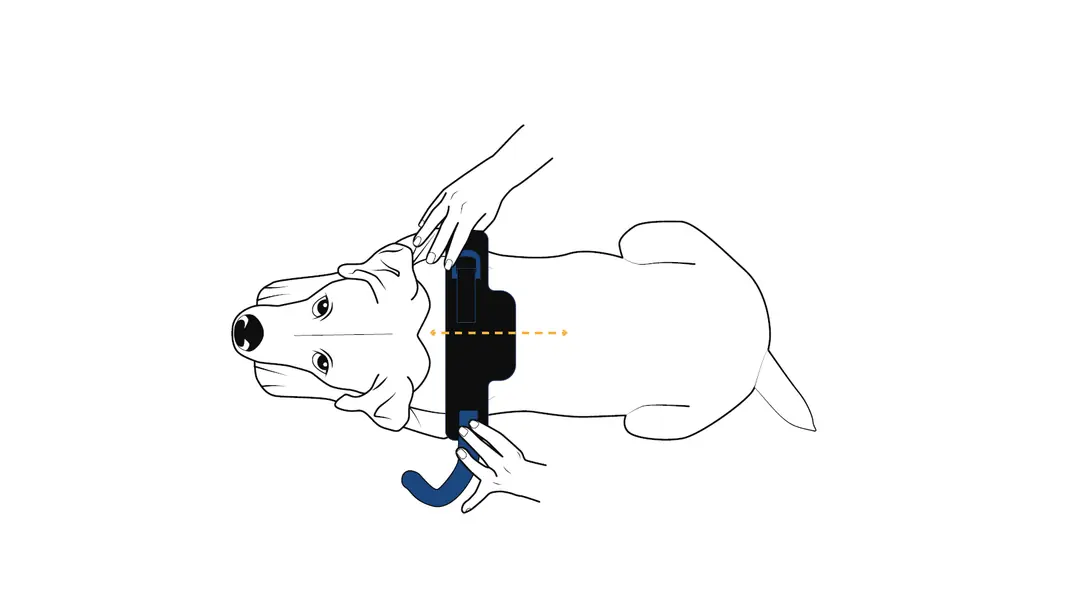
  1. Positioning the middle of the neck support behind the neck

    Step 1

    Center the thick middle section along the back of the neck, over the spine.

  2. Wrapping the neck support around the neck

    Step 2

    Wrap the two wings forward around either side of the neck.

  3. Fastening the hook-and-loop wings of the neck support

    Step 3

    Overlap the wings and fasten the hook-and-loop surfaces.

  4. Fastening the upper safety strap of the neck support

    Step 4

    Wrap the upper safety strap around the neck and secure its buckle.

  5. Checking the final fit and position of the neck support

    Step 5

    Adjust the support for a snug fit that does not interfere with breathing or swallowing.

After fitting, check that your pet can breathe and swallow comfortably. Remove the support immediately if you notice coughing, gagging, changes in breathing, or clear discomfort.

Use and care

Getting used to the support

Introduce the support gradually. Start with short sessions and observe your pet’s comfort, then increase use over several days. Keep activity within the limits set by your veterinarian, and follow their plan for duration of use and splint choice.

An initial schedule of three to five sessions a day, each lasting 30–60 minutes, is suggested. Duration and frequency may vary with your pet’s condition; follow your veterinarian’s advice first.

After each use

  • Remove the support and check the skin for redness, irritation, moisture, or rubbing.
  • Let the skin air out before the next use.
  • Remove the support at night unless your veterinarian recommends a different schedule.
  • Stop use if you notice rubbing, swelling, or changes in walking or posture.
  • Follow your veterinarian’s advice on duration and frequency of use.

Cleaning and storage

  • Remove the detachable splints and other parts before cleaning.
  • Hand wash the support using only lukewarm water and mild soap.
  • Allow it to air dry completely before using it again.
  • Do not use a washing machine or tumble dryer.
  • Keep the support away from direct sunlight and other heat sources.
  • Store it flat in a cool, dry place to help preserve its shape.

Frequently asked questions

Is a neck support the same as an Elizabethan collar?

No. An Elizabethan collar prevents a pet from reaching a wound or stitches. A neck support is designed to support the cervical spine and limit excessive neck movement.

How does a neck support differ from a back brace?

The neck support targets the cervical spine, while the back brace targets the thoracic and lumbar spine. Identify which part of the spine is affected before choosing a product.

Can cats and dogs use the same neck support?

The support may be suitable for either cats or dogs when the correct size is selected. The fit must account for the head and shoulders as well as the neck circumference.

How do I choose the right size?

Measure neck circumference and neck height as shown in the size guide. Both measurements should fit the same size range. If more than one size looks suitable, or your measurements do not match the chart, contact us before ordering. Breed, weight, or regular collar size alone is not enough.

Does the support treat Wobbler syndrome or cervical IVDD?

No. The support does not relieve spinal cord compression or treat the underlying condition. It may only provide support alongside treatment and rehabilitation planned by a veterinarian.

What should I do if my pet has trouble breathing or swallowing while wearing it?

Remove the support immediately and contact a veterinarian. Products that put pressure around the neck require particular care with short-nosed pets.

Get to Know Our Products

View Our Catalogue
logo