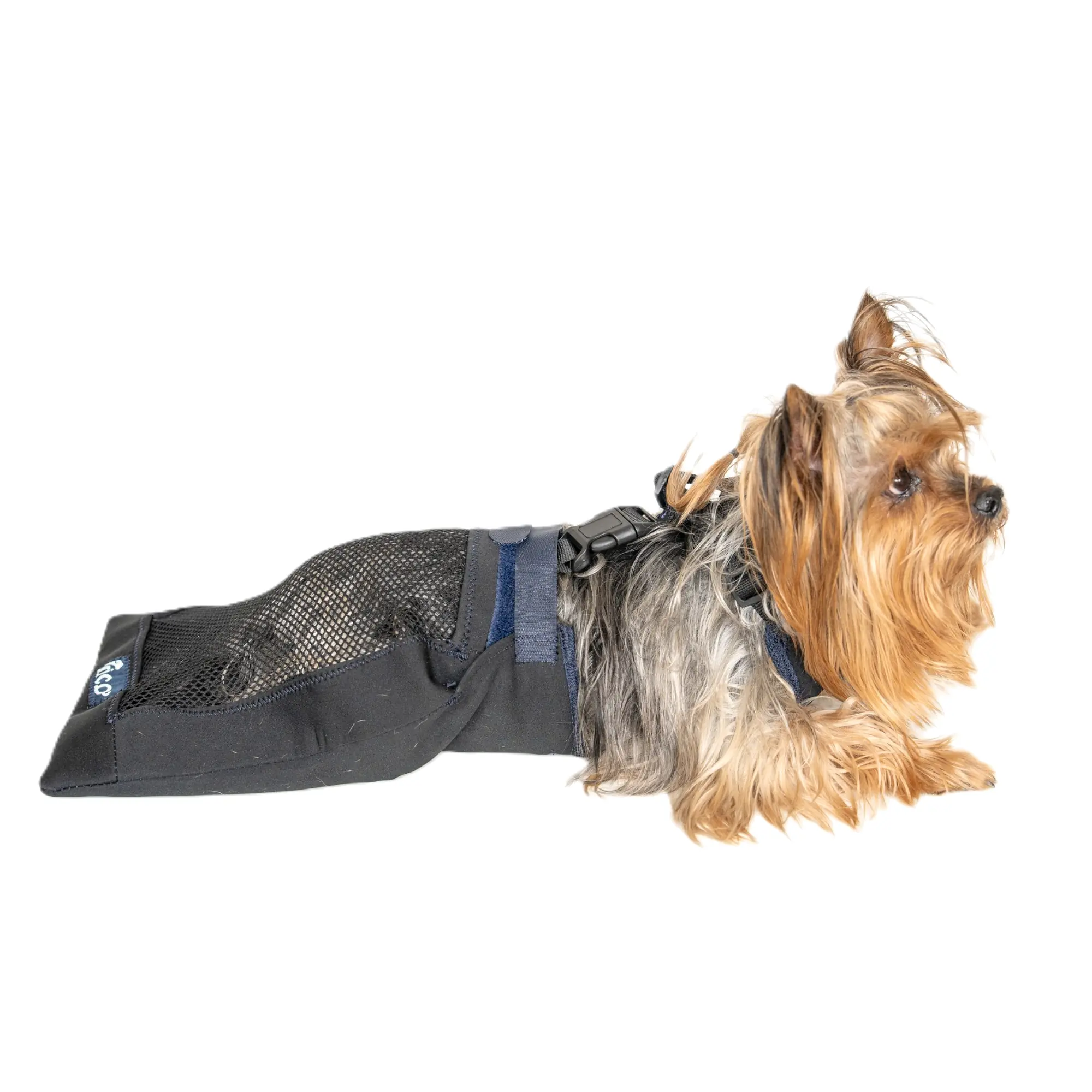
Drag Bag for Cats & Dogs

Drag Bag for Cats & Dogs

Beden
S
L
WhatsApp
ADD TO BASKET

Find the Right Size for the Drag Bag
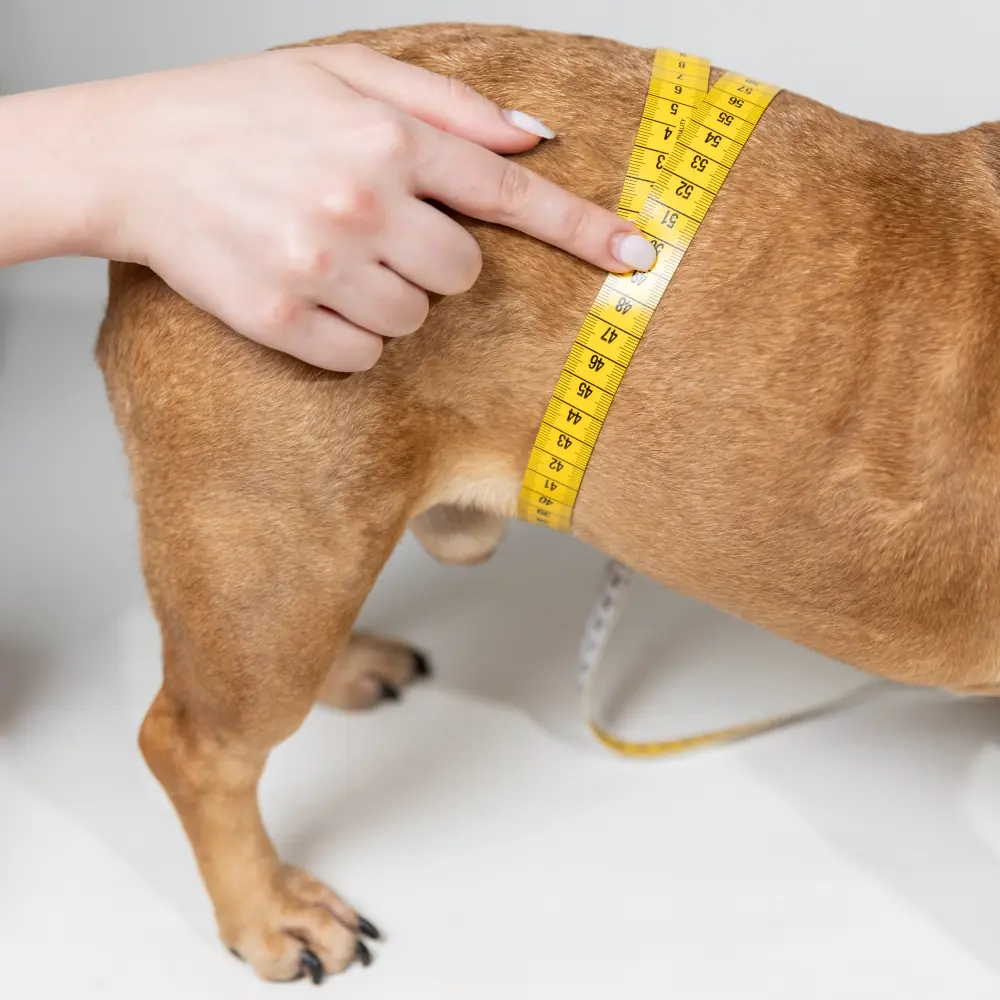
Measuring a dog's abdominal circumference

Abdominal circumference

Measure around the abdomen at the point shown in the measuring image.
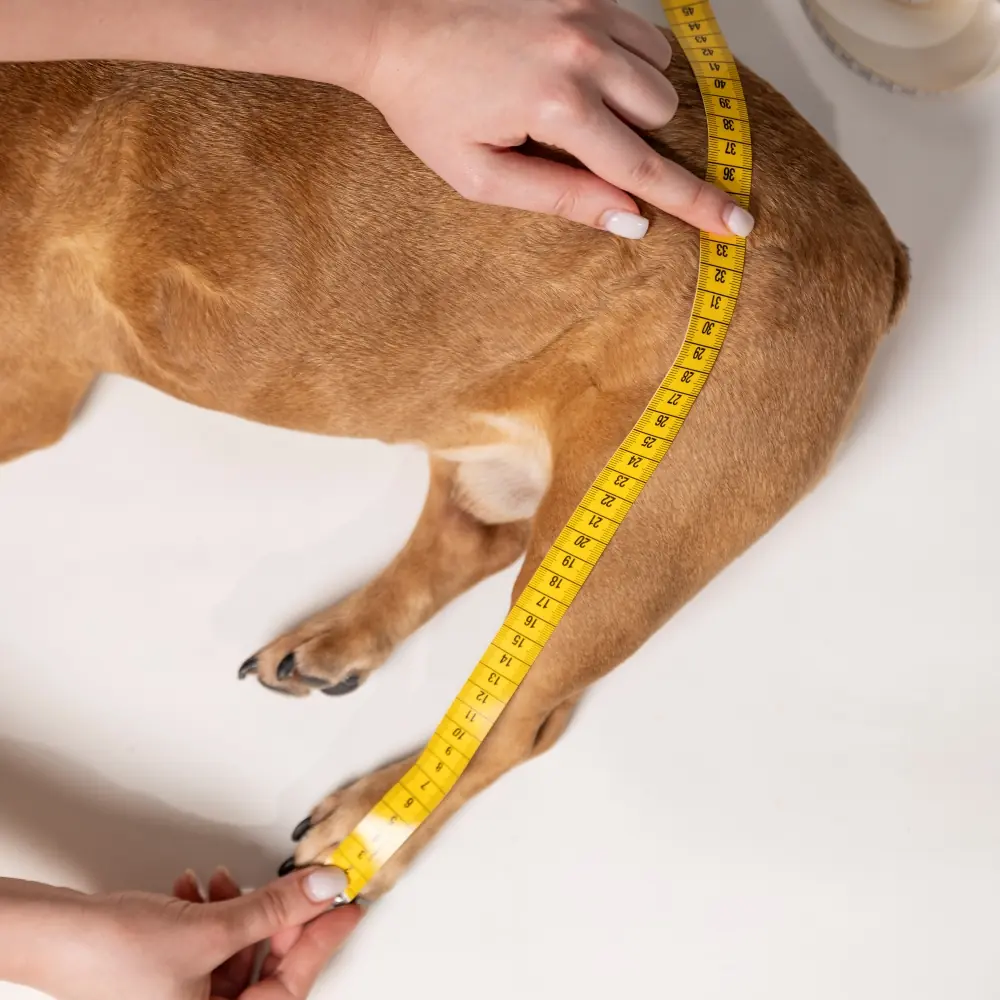
Measuring a dog's leg length

Leg length

Measure from the top of the hip to the tip of the paw, as shown in the measuring image.
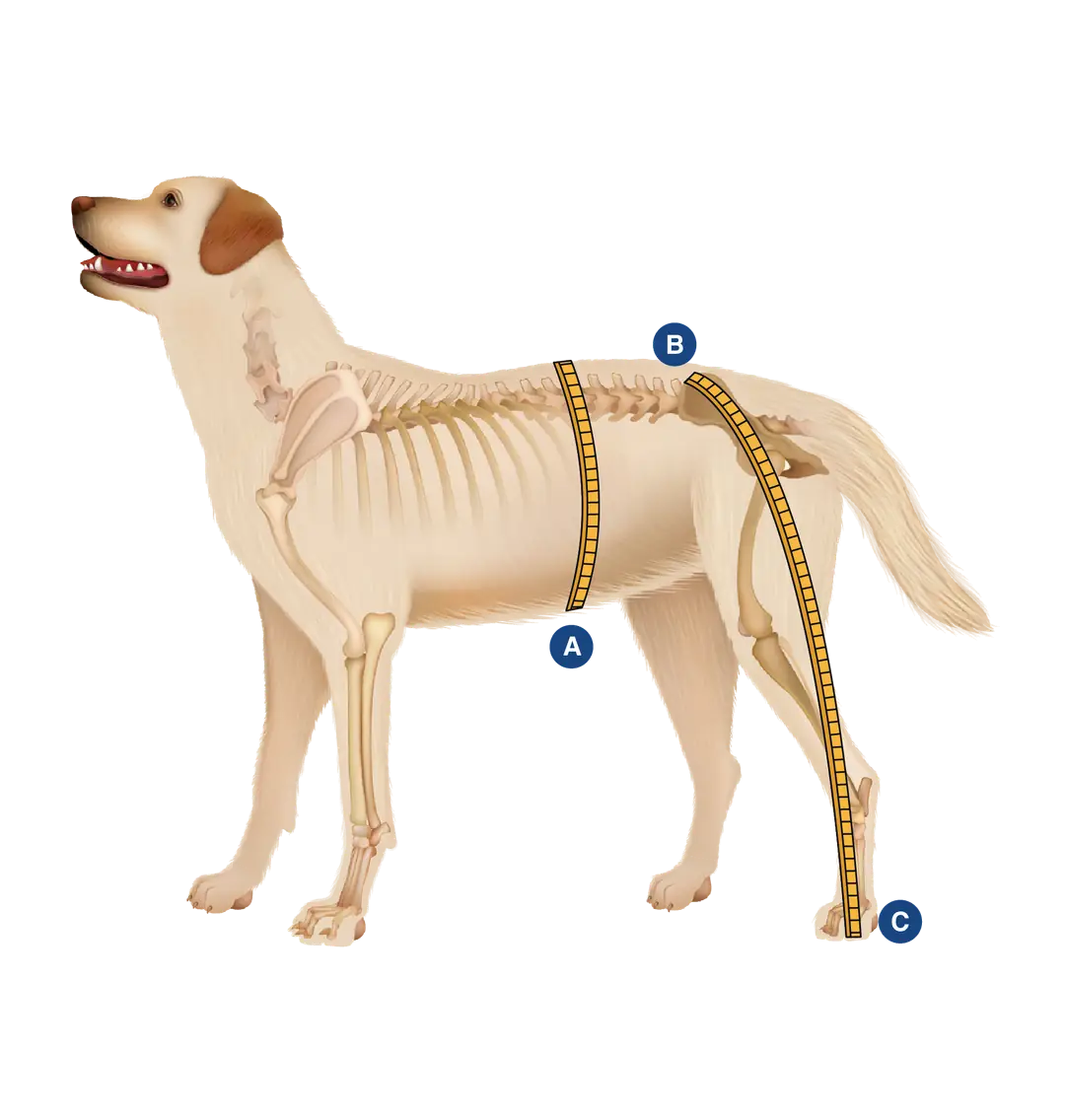
Abdominal circumference and leg length measurement points on a dog
Size Abdominal
circumference
Leg
length
S 19.7–23.6 in
50–60 cm
13.8 in
35 cm
L 27.6–31.5 in
70–80 cm
19.7 in
50 cm

Measure the abdominal circumference and leg length from the top of the hip to the tip of the paw. If the measurements do not match the chart, send us the measurements and a side-view photo.
When to use the drag bag

The drag bag may help protect against friction when a pet drags its rear body along the floor because of paralysis, weakness after surgery, or severe hind leg weakness. Whether it is suitable depends on your pet's ability to move and your veterinarian's assessment.


Protection from friction

Helps reduce friction where the body, hind legs, and paws contact the floor.

Protection for sensitive skin

Helps reduce the risk of irritation, abrasion, and sensitivity caused by dragging.

Supervised indoor use

Designed for supervised movement indoors on suitable, level surfaces.

Adjustable strap system

The straps and reinforced buckle help adjust the bag to your pet's body and keep it in place.

Soft, breathable construction

Neoprene, mesh, and durable nylon provide cushioning for sensitive areas while supporting airflow.

Easy to clean

It can be hand-washed and air-dried for routine care.

Contact us before ordering for guidance on use during toileting and when to remove the bag. If it becomes wet or soiled, remove it. Clean and fully dry both your pet's skin and the bag before using it again.

Getting Used to the Support Video

How to fit the bag

Before fitting the bag, make sure you have selected the correct size. The straps should hold it in place without squeezing the body or restricting natural movement.

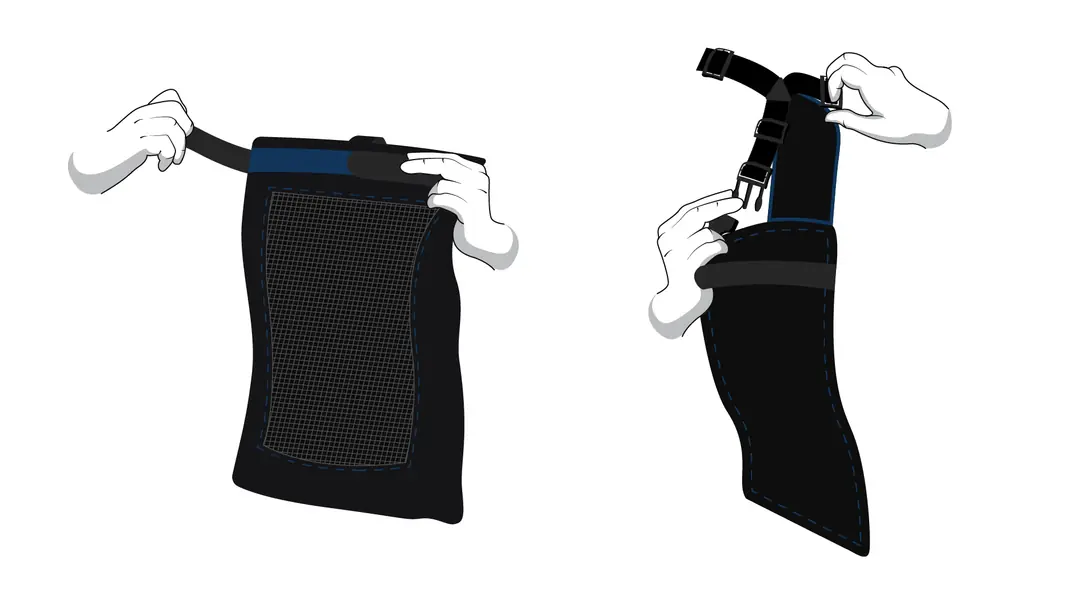
  1. Opening the drag bag straps and buckle before fitting

    Step 1

    Open all the straps and the top buckle to prepare the bag for fitting.

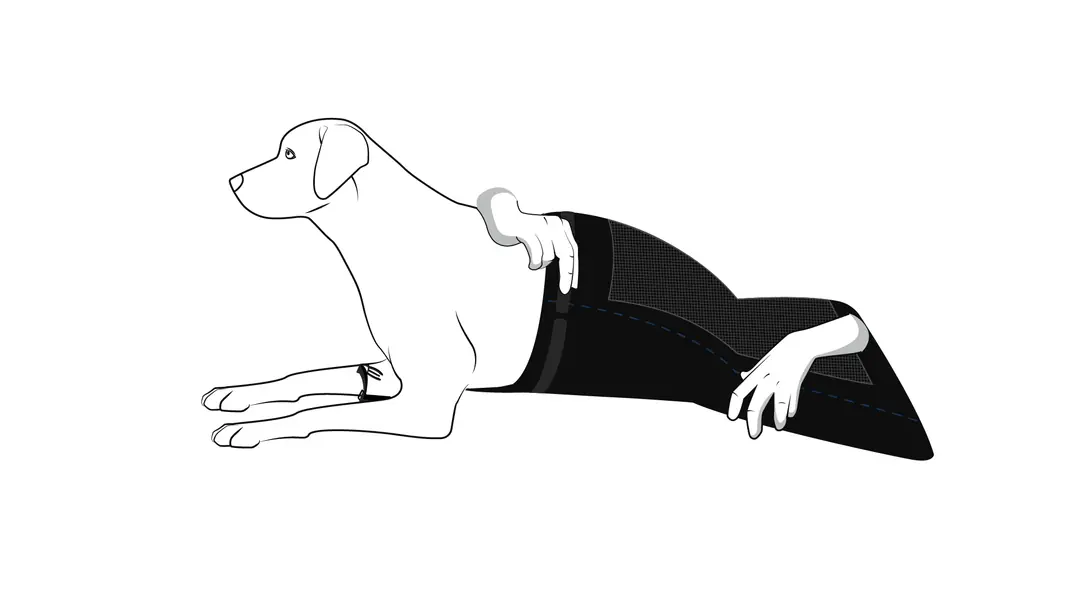
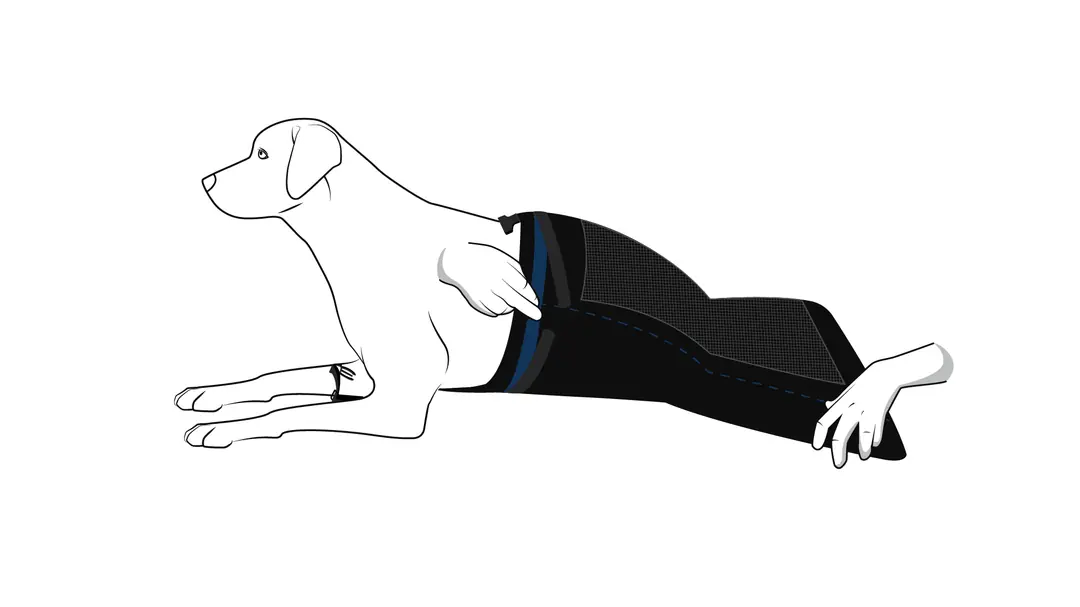
  2. Placing a dog's hind legs inside the drag bag

    Step 2

    Carefully place your pet's hind legs inside the bag.

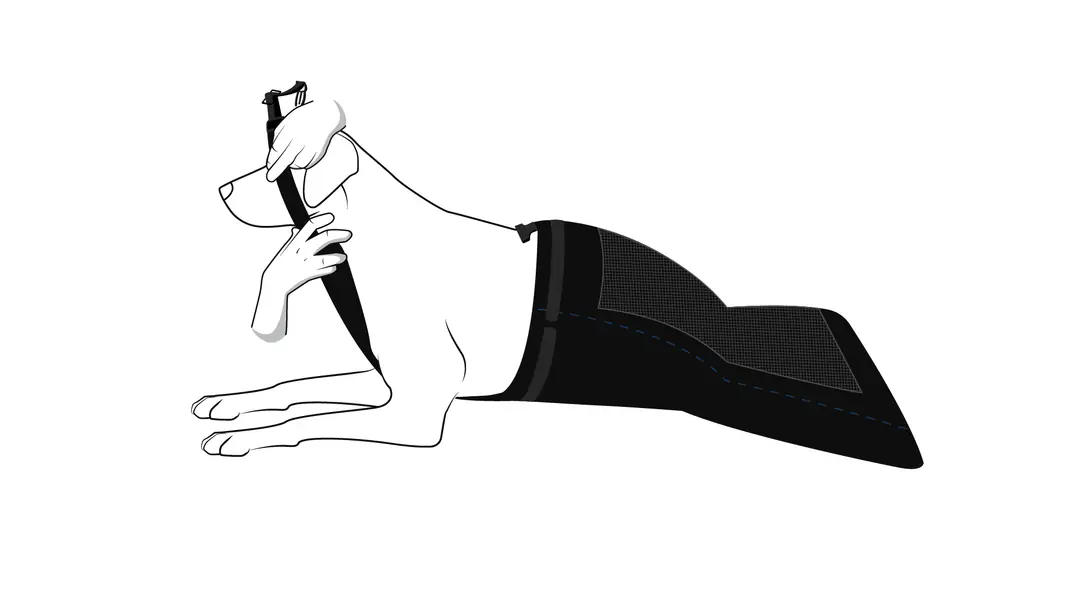
  3. Fastening the upper straps of the drag bag

    Step 3

    Bring the upper straps over the body and fasten them evenly.

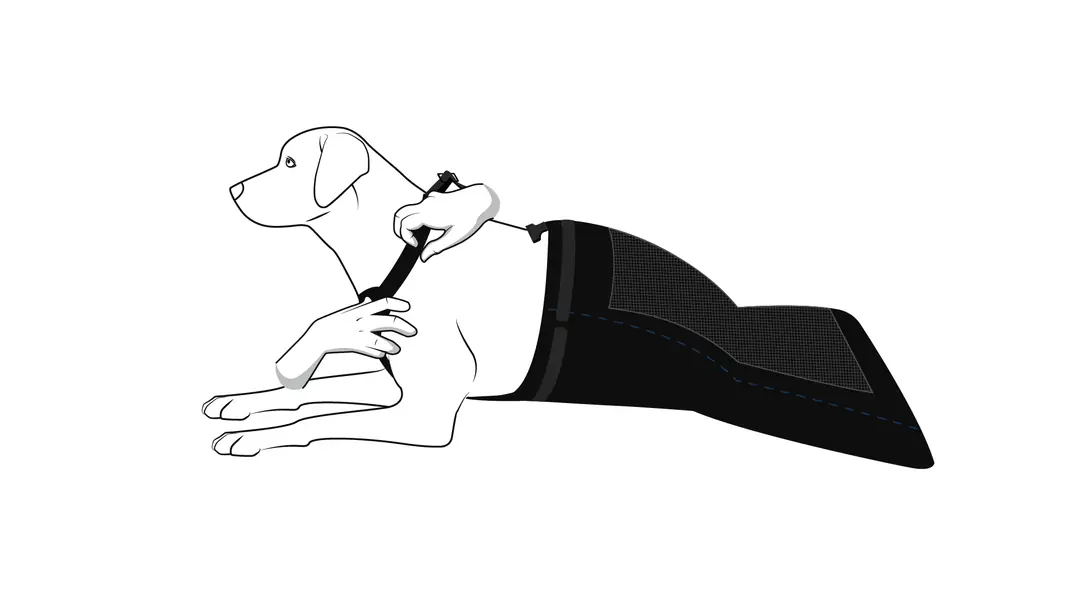
  4. Guiding a dog's head through the front strap opening

    Step 4

    Carefully guide your pet's head through the front strap opening.

  5. Adjusting the drag bag straps

    Step 5

    Gently tighten the adjustment straps enough to hold the bag in place without squeezing the body.

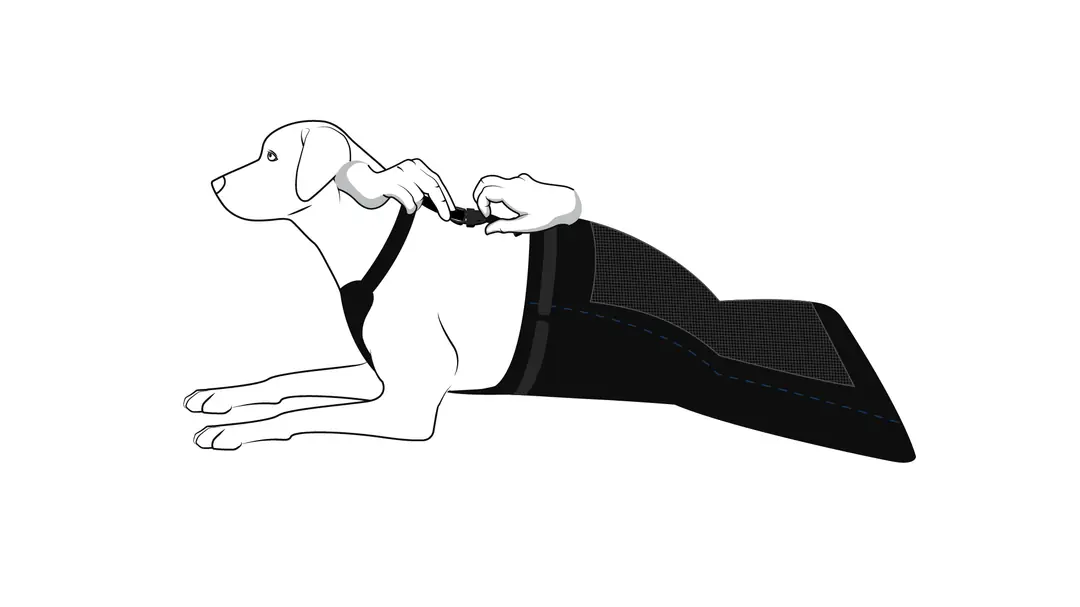
  6. Checking the fit of the drag bag

    Step 6

    Close the top buckle and check that the bag does not slip during movement.

After fitting, make sure the bag properly covers the body, legs, and paws. Remove it if you notice rubbing, pinching, or obvious discomfort.

Use and care

Introducing the bag

For the first uses, try the bag on a suitable, level surface under your supervision. As your pet moves, check that it does not slip and that the legs and body are not pinched. Follow your veterinarian's advice on wear time. Remove the bag regularly to check the skin for rubbing, redness, or moisture.

After each use

  • Remove the bag and check the skin for redness, irritation, moisture, or rubbing.
  • Let the skin air out before the next use.
  • Remove the bag at night unless your veterinarian recommends a different wear schedule.
  • Stop using it if you notice rubbing, swelling, or a change in gait or posture.
  • Follow your veterinarian's advice on wear time and frequency.

Cleaning and storage

  • Close the hook-and-loop straps and gently remove debris before washing.
  • Hand-wash with lukewarm water and mild soap only.
  • Allow it to air-dry completely before using it again.
  • Do not machine-wash or tumble-dry.
  • Keep it out of direct sunlight and away from other heat sources.
  • Store it flat in a cool, dry place to help retain its shape.

Frequently asked questions

Does a drag bag serve the same purpose as a pet wheelchair?

No. A wheelchair lifts the body off the ground to support movement. A drag bag helps protect the body, hind legs, and paws that touch the ground from friction.

How does a drag bag differ from a lifting support?

The bag provides protection while a pet moves along the ground under its own power. With a lifting support, a person supports some of the dog's weight using the handles.

Is the bag suitable for cats?

It may be suitable for cats with limited mobility when the size and anatomical fit are right. Because cats can have different body proportions, check the measurements before ordering.

How do I choose the right size?

Measure the abdominal circumference and leg length from the top of the hip to the tip of the paw. If the measurements do not match the chart, contact us before ordering.

Can pets with weak front legs use the bag?

The product is designed for pets that can move using their front legs while dragging their rear body. If the front legs have significant weakness, a different mobility aid should be considered.

Will it help a paralyzed pet walk again?

No. It does not treat paralysis or degenerative myelopathy. Its main purpose is to help protect sensitive areas by reducing friction against the ground.

Get to Know Our Products

View Our Catalogue
logo